Walk the same trail once a month for a year and you will see four different places. The lane that gave you a chiffchaff in March is thick with willow warblers by May; come November, that same hedgerow is full of redwings stripping the hawthorn. Britain sits on a migration crossroads, and our towpaths, estuary walls, clifftop tracks and woodland rides are the best places to watch the traffic. What follows is a month-by-month reading of those routes, with the species to look for and the timing that turns a pleasant stroll into a proper day out.
Spring: March, April and May
March: the first voices
Chiffchaffs are the reliable early arrivals, singing their two-note name from willow and birch from the middle of the month, often before the leaves are out. Listen too for drumming great spotted woodpeckers and the yaffle of a green woodpecker over old pasture. Sand martins return to sandy riverbanks and gravel-pit faces, and on Scottish lochs ospreys are back on their nests by late March, with Rutland Water following in early April. Lowland river valleys, canal towpaths and reservoir edges are the most rewarding routes now: bare trees, firm paths, birds easy to see.
April: the gates open
This is when summer visitors arrive in numbers. Willow warblers, blackcaps, whitethroats and sedge and reed warblers all appear, while swallows and house martins work low over wet fields. On the coast, wheatears and ring ouzels pass through headlands and short turf. Learn two songs properly and April becomes far easier: chiffchaff is a steady, insistent two notes, willow warbler a soft descending cascade. Walk early, before the wind gets up.
May: dawn chorus and dusk shift
May is the peak. The first two hours after sunrise on a still, mild morning is the best birdwatching slot in the British year, and it rewards an alarm clock. Cuckoos call from heathland edges; pied flycatchers and redstarts sing in western oakwoods; nightingales are in full voice in southern scrub. From mid-May, heathland trails also offer nightjars at dusk, churring from bracken and clearfell. Take a torch, plan your route back before dark, and keep your distance from nest sites.
Summer: June, July and August
June: watch behaviour, not song
Song falls away as adults ferry food to hungry chicks, so June is a month for watching rather than listening. Swifts scream over rooftops, hobbies hunt dragonflies over heath and gravel pits, and terns fish steadily along coasts and inland lakes. It is also the best time to sit in a hide and learn the shape and jizz of a bird rather than its voice.
July: waders head back
By early July, autumn passage has quietly begun. Green and common sandpipers, ruff, dunlin and the occasional little stint or curlew sandpiper drop onto the muddy edges of reservoirs and estuaries. Tide is everything. Arrive on an estuary wall about two hours before low water, then follow the feeding edge out as it exposes.
August: dispersal and seawatching
Swifts begin leaving in early August. Wheatears and whinchors move through upland edges and coastal slopes, and south-westerly gales can push shearwaters, skuas and storm petrels past headlands in the south-west. Seawatching is a waiting game: find shelter, scan low over the water, and give it an hour before deciding nothing is moving.
Autumn: September, October and November
September: estuaries fill up
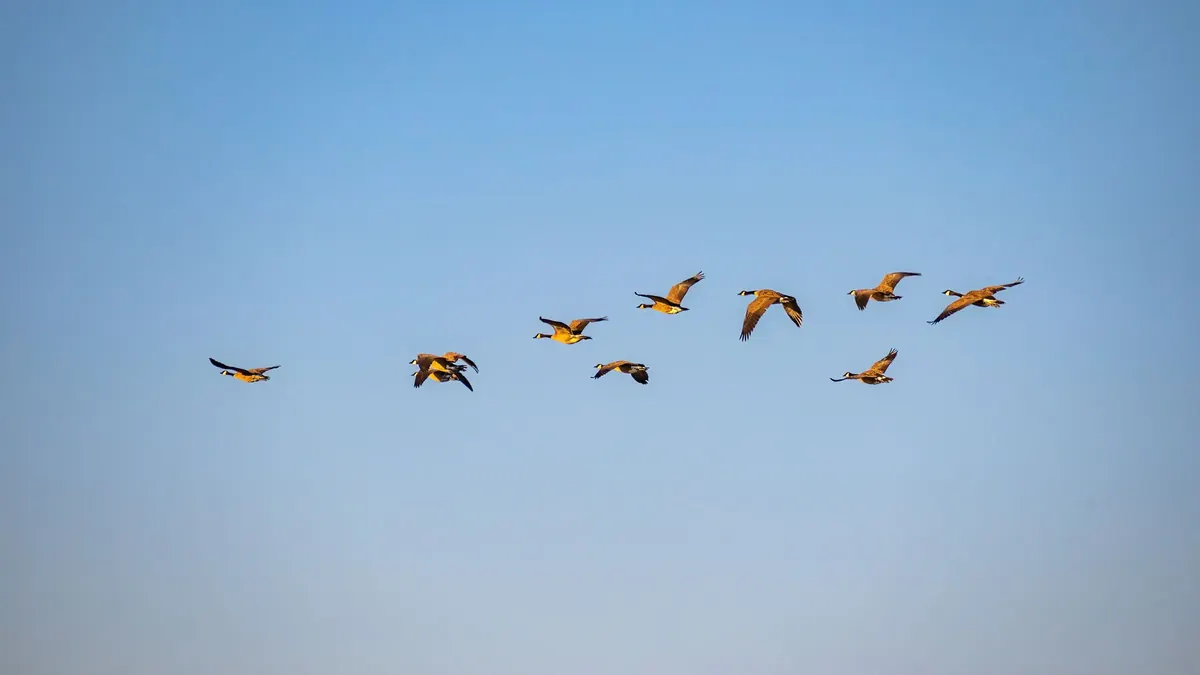
Estuaries reach their peak, with dunlin, knot, bar-tailed godwit and grey plover packed into roosts and pushed up the mud by the rising tide. Pink-footed geese start arriving from Iceland, gathering in their thousands on the Lancashire mosses and along the Norfolk coast. A telescope earns its place in your bag now.
October: after an easterly
October is the month of drift migrants. A spell of easterly winds can drop yellow-browed warblers, redstarts and bramblings into coastal scrub and gardens from Yorkshire up to Aberdeenshire. Redwings and fieldfares arrive on the same weather, feeding on rowan and hawthorn. Pick a sheltered east-coast valley or a clifftop path with plenty of cover.
November: winter settles in
Wildfowl build on reservoirs, flooded fields and wetlands: wigeon, teal, pintail and goldeneye, with whooper swans at traditional sites and Bewick's to look out for where they still winter. Short-eared owls hunt coastal marshes at dusk. Starling murmurations begin, best on cold, still evenings over reedbeds.
Winter: December, January and February
December: cold-weather birding
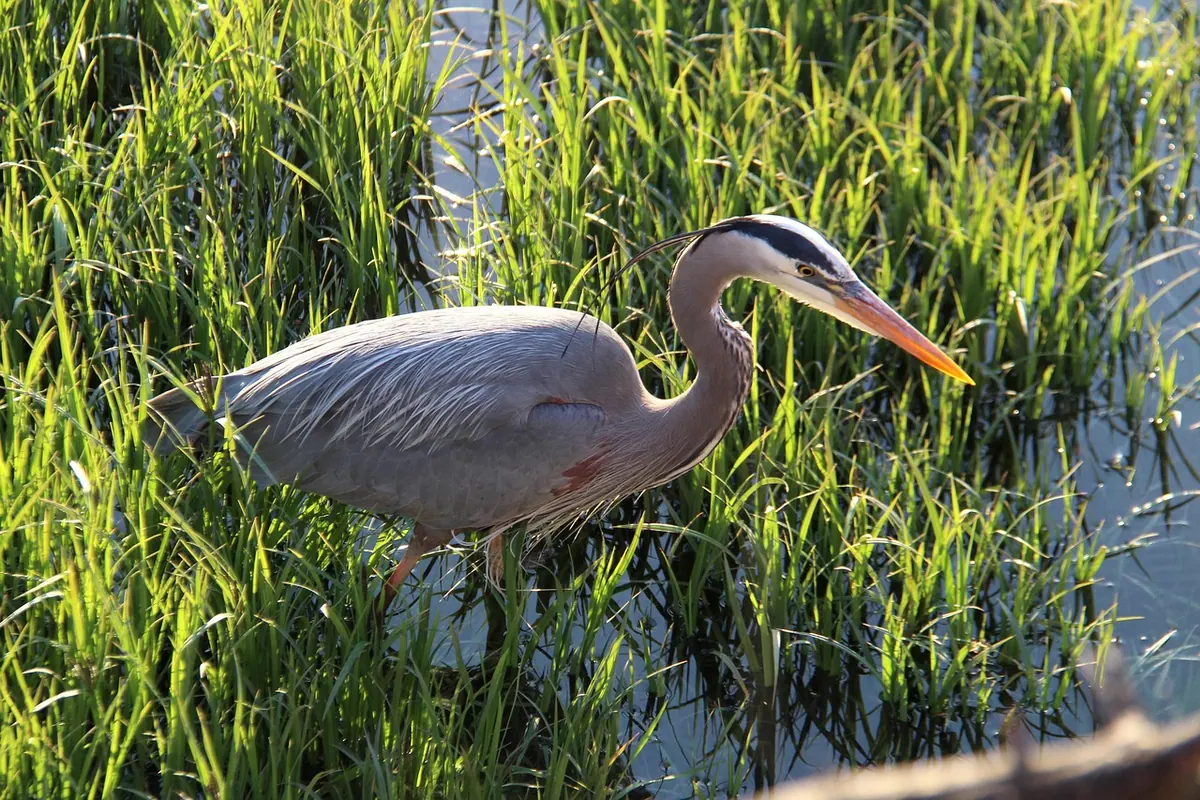
Hard frosts concentrate birds on open water and unfrozen margins. Goosanders and goldeneye appear on rivers and reservoirs, and bitterns — invisible for most of the year — can sometimes be seen stalking the edge of the ice in a reedbed on a freezing morning. Wrap up, take a flask, and sit it out.
January: berries and gardens
Waxwings turn up in some winters, usually on berry bushes in suburban streets and supermarket car parks, and they are worth travelling for when they do. Fieldfares and redwings strip hedgerows and windfall apples. Garden feeders get busy, so keep them clean and topped up during cold spells.
February: the year turns
Song thrushes and mistle thrushes start singing on mild mornings, great spotted woodpeckers drum, and coastal trails hold snow buntings and twite. In the Caledonian pinewoods, crested tits and crossbills are present all year; red kites are easy over central Wales and the Chilterns.
Trailcraft: getting more from a day out
Most of the difference between a quiet walk and a memorable one comes down to habits rather than equipment. A few that are worth building in:
- Walk slowly. Half your normal pace. Stop at every edge — where wood meets field, or mud meets water — because that is where the birds are.
- Return at different times. The same trail at dawn, midday and dusk holds completely different species.
- Let the tide do the work. On estuaries, the two hours either side of high water push everything into view.
- Listen for alarms. A blackbird or wren scolding hard usually means something else is nearby.
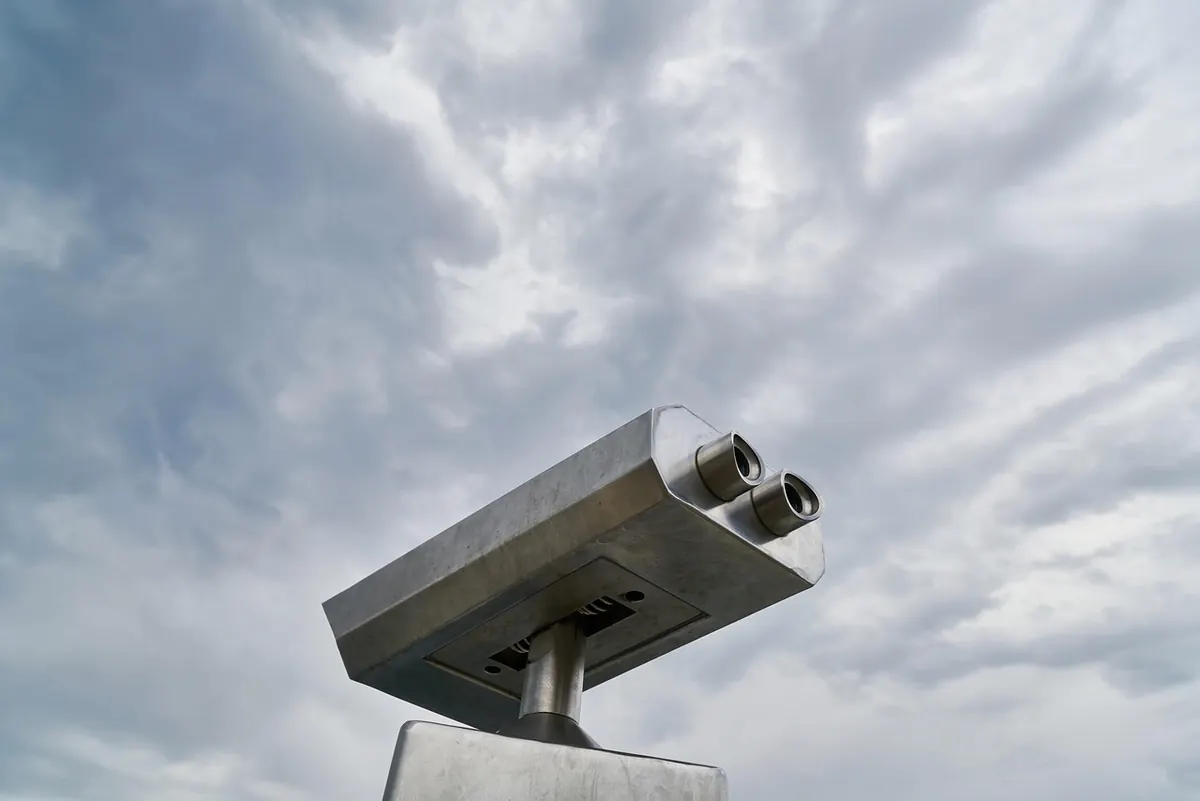
- Carry binoculars you enjoy using — sharp, comfortable and light enough to wear all day. A lens cloth and a spare battery for your phone matter more than anything else.
- Sit in one hide for a full hour. Patience is the single most underrated skill in birdwatching.
Before you set out
Check the reserve or landowner's website before travelling: many sites close paths or hides seasonally, and some require permits. Keep dogs on leads between March and July, particularly on heathland, dunes and farmland where birds are nesting on or near the ground, and avoid playing recordings of scarce species during the breeding season. Stay on marked paths on eroding coast and fragile heath; a shortcut can wreck years of recovery.
Weather in the uplands and on exposed coasts changes quickly, so take waterproofs, a warm layer and enough food and water for a detour, and tell someone your route where phone signal is patchy. Ground can be boggy underfoot, so wear boots you trust.
Finally, keep a simple notebook. Note the date, the trail and the first song you heard. Within a year you will have your own month-by-month map of the place — far more useful, and far more interesting, than anyone else's.
Photo: SimaGhaffarzadeh / Pixabay