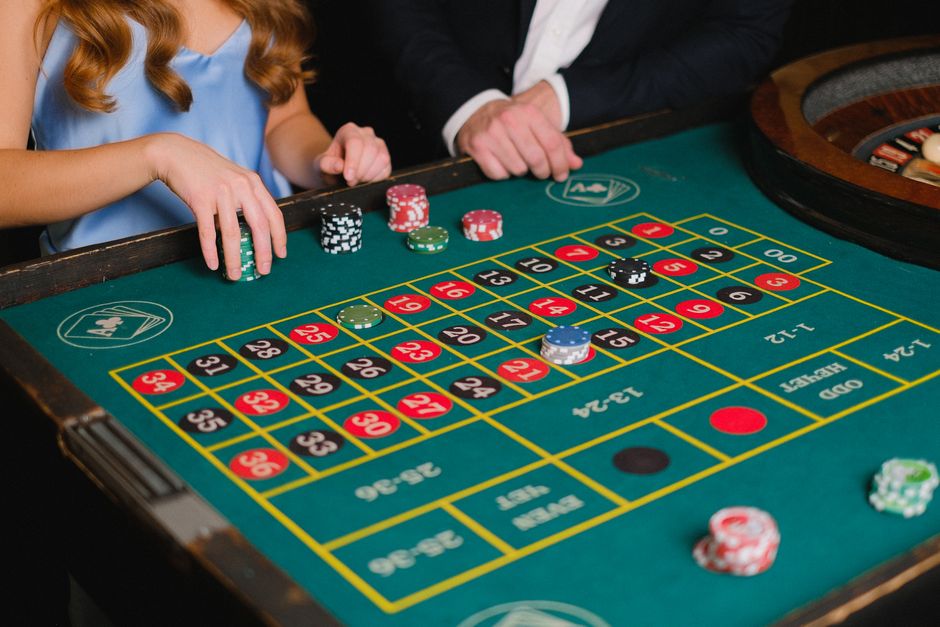
Most people who lose money gambling don't lose it because they're unlucky. They lose it because nobody ever explained how the machinery actually works. The flashing lights, the free drinks, the near-miss animations — none of that is accidental. It's a business, and the business is designed to keep a slice of everything that moves across the table. Understanding that slice is the difference between a fun evening and a slow bleed.
So let's skip the recycled advice about "gambling responsibly" and talk about the numbers, the mechanics, and the few places where a sharp player genuinely has an edge. This applies whether you're spinning slots at 2 a.m., grinding a poker tournament, or sweating a parlay on Sunday.
House Edge: The Only Number That Actually Matters
Every casino game has a built-in mathematical advantage for the operator. It's called the house edge, and it's the percentage of every dollar wagered that the casino expects to keep over the long run. Short-term results swing wildly; the edge only shows up across thousands of bets. But it's brutal in its consistency.
- Blackjack (basic strategy): roughly 0.5% house edge — one of the best bets in the building.
- Baccarat (banker bet): about 1.06%.
- European roulette: 2.7%. American roulette with the double zero jumps to 5.26%.
- Slots: typically 2% to 10%, depending on the machine and jurisdiction.
- Keno: often 25% or worse. It's the worst bet on the floor.
Here's the practical takeaway. If you're going to play for three hours, your expected loss is roughly (average bet size) × (bets per hour) × (house edge) × (hours). A blackjack player betting $25 a hand at 60 hands per hour faces an expected loss of about $37.50 over three hours. The same player at a 25% edge keno machine betting $5 per draw is looking at a very different math problem. The game you choose matters more than how "hot" you feel.
Slots: Volatility Is the Thing Nobody Talks About
Slot players obsess over RTP — return to player — and it's important, but it's only half the story. A game with 96% RTP still has to decide how it pays that 96% back. That's volatility, and it determines what your session actually feels like.
Low-volatility slots pay small amounts frequently. You can play for a long time on a modest bankroll, but you'll rarely see a life-changing hit. High-volatility slots are the opposite: long droughts punctuated by huge wins. A high-volatility game might go 400 spins without a meaningful payout, then hand you 800x your stake in a single bonus round. Same RTP, completely different experience.
Two things to check before you spin:
- RTP of the specific game. It's often buried in the paytable or the help screen. 96% is the industry standard online, but you'll find games at 92% and even 88% in some markets. That gap is enormous over time.
- Max bet on the bonus. Some games cap your bonus win at a multiple of your bet, and if you're playing at minimum stake, that cap becomes your ceiling. Read the rules.
One more thing: the "near miss" reel configuration — where two jackpot symbols land and the third just misses — is a deliberate psychological design. The outcome was decided the moment you pressed spin. The animation is theater.
Poker Is the Exception, and That's Why It's Hard
Poker is the one major game where the house doesn't play a hand. You're competing against other people, and the operator takes a rake — typically 5% of the pot, capped at a few dollars. That means poker is beatable, but only if you're better than the people you're sitting with. That's a much higher bar than most casual players realize. A good place to continue is dana slot.
The 2024 online poker ecosystem is dominated by solvers, tracking software, and players who have studied GTO (game theory optimal) ranges for thousands of hours. The days of beating a $1/$2 game by "playing tight and picking your spots" are largely over at any meaningful stake. If you want to actually win:
- Specialize in one format — cash games, sit-and-gos, or tournaments. They're entirely different games.
- Track every session. Variance is so high in tournaments that your gut is a terrible judge of your own ability.
- Study away from the table at least as much as you play. Most winning players spend more time in study tools than in hands.
The upside: unlike slots, your edge compounds. A skilled player's long-run results are positive, not negative.
Sports Betting: The Margin Is the Whole Game
When you bet a point spread, you're usually risking $110 to win $100. That extra $10 is the vig, and it's how sportsbooks make money regardless of who wins. The implied probability of -110 odds is about 52.4%, meaning you need to win 52.4% of your bets just to break even. Professional bettors hover around 53% to 55% over thousands of bets. That's the entire margin between profit and ruin.
Practical implications:
- Shop lines across at least three or four books. A half-point on a spread is often the difference between a winning and losing season.
- Line movement tells you where the sharp money is going. If a line moves against your position, take it seriously.
- Player props and alternate markets often carry higher margins than main lines. They feel more fun; they're also more expensive.
- Promos and bonuses matter, but only if you were going to make that bet anyway. Never place a bet solely to claim a free bet — the math rarely works.
Bankroll Management Is Not Optional
This is the part people skip, and it's the part that actually determines whether you're still gambling next year. Set a bankroll — money you can genuinely afford to lose — and size your bets relative to it, not to your emotions.
A reasonable starting framework: no single bet should exceed 1–2% of your total bankroll. If you have $500 set aside, your standard bet is $5 to $10. That feels boring until you hit a 15-bet losing streak, which will happen. At 2% sizing, that streak costs you about 30% of your roll. At 10% sizing, you're wiped out. The math is unforgiving, and it has ended more gambling careers than bad luck ever has.
The Bottom Line
None of this is meant to scare you off. Gambling is entertainment, and there's nothing wrong with paying for entertainment. But there's a difference between paying for it knowingly and being slowly drained by machines engineered to take more than you notice. The players who last are the ones who understand the edge, pick the games where it's smallest, and treat their bankroll like a business expense rather than a personal challenge. Learn the numbers. Then decide if the fun is worth the price. Most of the time, it can be — as long as you're the one setting the terms.